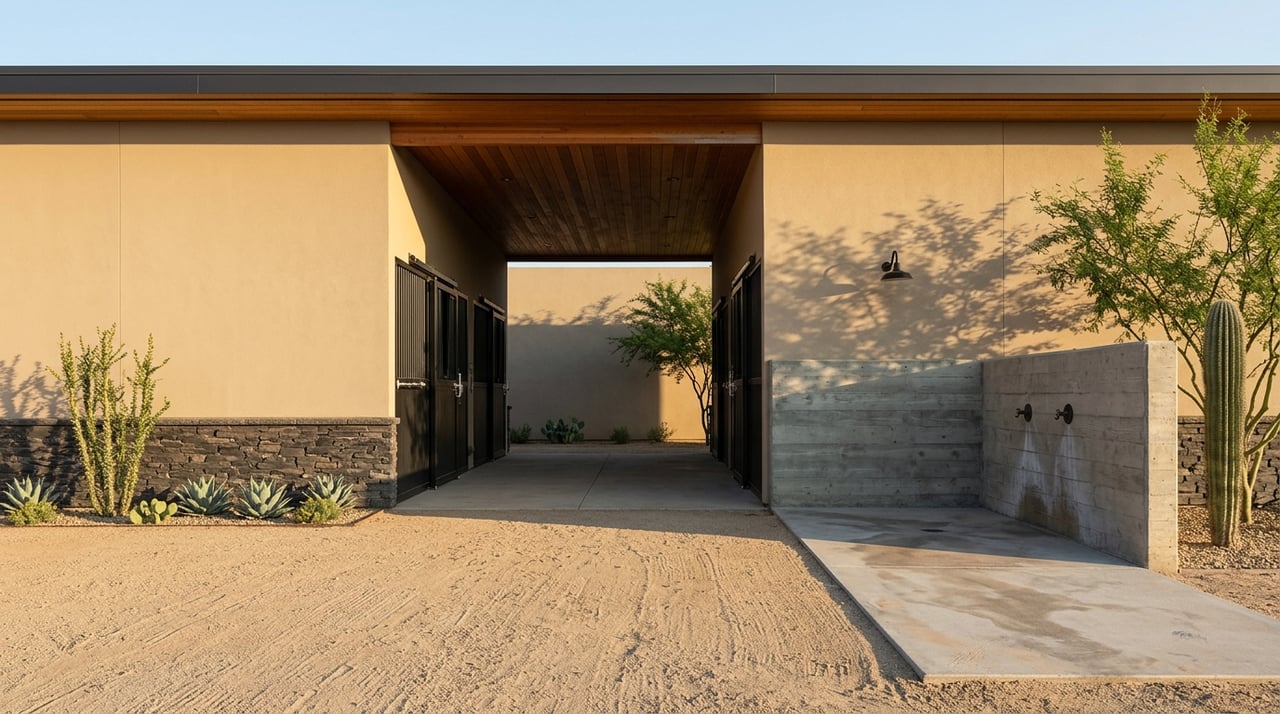
Looking for horse-friendly property in Cave Creek? You are not alone. Many buyers are drawn to the area because it offers a rare mix of rural character, usable land, and real trail access that supports an equestrian lifestyle in a practical way. If you want to buy with confidence, it helps to look beyond acreage alone and understand how access, layout, and day-to-day horse use work here. Let’s dive in.
Why Cave Creek Appeals to Horse Buyers
Cave Creek has a strong rural identity, and that matters when you are shopping for horse property. The town’s general plan emphasizes preserving a low-density, Desert Rural pattern, and Cave Creek still describes itself as a former mining and ranching community with an Old West feel.
For you as a buyer, that means equestrian-style parcels often feel consistent with the area rather than out of place. In a market where lifestyle and land use need to line up, Cave Creek offers a setting where horse property makes sense.
Trail Access Is a Real Advantage
One of the biggest reasons buyers focus on Cave Creek is access to trails. The town says its trail system connects neighborhoods to the Town Core, Spur Cross Ranch Conservation Area, Cave Creek Regional Park, and Desert Foothills Land Trust properties, and horses have the right-of-way on those trails.
That is important because trail access can shape how often you actually ride. A property may look great on paper, but if getting on the trail feels difficult, your daily experience can be very different from what you imagined.
Cave Creek Trail Network
Cave Creek continues to expand its trail system, which suggests connectivity remains a local priority. If your goal is frequent riding, this can make certain parcels especially appealing, whether you want direct ride-out access or a convenient route to nearby staging areas.
Shared-use trails also affect how you evaluate the location. In Cave Creek, the trail system is part of the local lifestyle, not just a bonus feature tucked away in a brochure.
Nearby Riding Options
Spur Cross Ranch Conservation Area offers more than seven miles of trails for hiking, mountain biking, and horseback riding, along with a horse staging area. Its trail system also links to the Maricopa Trail and the Tonto National Forest.
Cave Creek Regional Park adds more than 11 miles of trails and also includes a horse staging area. If you do not need private ride-out access from your own lot, these nearby options can still support a very workable horse setup.
Nearby Scottsdale resources broaden the picture even more. The McDowell Sonoran Preserve includes non-motorized hike, bike, and horse trails, plus trailheads with horse-trailer parking, water troughs, hitching rails, and shade ramadas, while WestWorld adds public arenas and trail connections.
Common Horse Property Sizes in Cave Creek
Horse properties in Cave Creek can vary quite a bit in size. Recent market examples show offerings from about 1 to 2 acres, to 4 to 5 acres, and even around 10 acres.
That range fits with the town’s pattern of varied lot sizes and low-density rural land use. For you, the key takeaway is that there is no single “correct” parcel size for horse ownership in Cave Creek. The right choice depends on how you plan to use the property.
What 1 to 2 Acres Can Offer
A smaller horse-friendly parcel can still support useful equestrian features. Recent examples in Cave Creek include a 1.14-acre property with multiple stables and a tack room, and a 2.02-acre horse property with direct trail access.
If you want manageable land and a simpler setup, this size range may work well. The important question is whether the parcel is laid out efficiently for horses, trailers, storage, and turnout.
What 4 to 5 Acres Can Offer
Properties in the 4 to 5 acre range can provide more flexibility. A recent 4.5-acre Cave Creek example included a roping arena and broader equestrian amenities.
For many buyers, this middle range offers a balance between usable horse infrastructure and manageable upkeep. It may also give you more room to adapt the property over time.
What Around 10 Acres Can Offer
Larger parcels can support a more expansive working-horse setup. A recent Cave Creek property of nearly 10 acres advertised direct ride-in access to preserved trail systems along with a larger equestrian layout.
If your goals include more horses, an on-site arena, or a broader private setup, larger acreage may be worth considering. Still, even at this size, the parcel’s layout and access matter as much as the raw number of acres.
Features That Matter Day to Day
When you buy horse property, daily function matters more than a long feature list. In Cave Creek’s desert setting, practical horse-use features can have a big impact on both convenience and care.
The most useful features typically include:
- Shade
- Reliable water
- Secure fencing
- Stalls or barn space
- Turnout areas
- Tack and feed storage
- A wash area
- Trailer parking and maneuvering space
These are especially important in this area because local trail resources repeatedly emphasize early starts, water, and heat precautions. Public trailheads in the region are designed with horse-trailer parking, water troughs, hitching rails, and shade ramadas, which reinforces how important these features are in real everyday use.
Why Shade and Water Matter More Here
In the desert, shade and water are not minor extras. They are part of how horse property functions safely and comfortably.
When you tour a property, think about where horses will stand during hot parts of the day, how water is accessed across the site, and whether the setup supports routine care without constant workarounds. A beautiful parcel can still feel difficult if these basics are missing.
Why Layout Beats Acreage Alone
Two properties with similar acreage can live very differently. A parcel with better fencing, easier trailer movement, more usable turnout, and smarter storage may serve you better than a larger property with awkward design.
That is why buyers moving from boarding often benefit from thinking in systems. The land, trail access, horse areas, and support spaces all need to work together.
Choose the Right Buying Strategy
Most horse-property buyers in Cave Creek fall into one of three broad paths. Knowing which one fits you can make your search much more focused.
Strategy 1: Direct Ride-Out Access
If your dream is to saddle up at home and head straight to the trail, direct access should be one of your top filters. In Cave Creek, that can be a meaningful lifestyle advantage because the town trail system connects neighborhoods with major outdoor destinations.
This strategy is often about convenience and frequency. If easy access helps you ride more often, it may be worth narrowing your home search around location and connectivity first.
Strategy 2: Close to Staging Areas
Not every buyer needs trail access from the lot itself. Some buyers are perfectly happy trailering a short distance to a strong public riding area with staging support.
If that sounds like you, proximity to places like Spur Cross Ranch Conservation Area or Cave Creek Regional Park may matter more than direct trail frontage. This can open up more property options while still supporting regular riding.
Strategy 3: Larger Private Setup
Some buyers want the property itself to do more of the work. That could mean room for a private arena, a larger barn setup, more trailer capacity, or extra flexibility for horses on site.
In that case, acreage is still important, but only when paired with a practical layout. You will want to look closely at circulation, usable flat areas, storage space, and whether the site supports future improvements.
What to Look For During a Showing
A horse property showing should go beyond the house. You want to evaluate how the full property functions for everyday use.
As you walk the site, pay attention to:
- How easy it is to move a trailer in and out
- Whether horse areas feel shaded and usable
- The amount and placement of fencing
- Where tack, feed, and equipment would go
- Whether turnout space feels practical
- How the property connects to roads, trails, or staging areas
- Whether there is room to adapt the setup later
This kind of walkthrough helps you compare homes in a more realistic way. It also helps you avoid overpaying for acreage that does not actually support the lifestyle you want.
Keep the Whole Property in View
Buying horse-friendly property in Cave Creek is about more than finding a home with some land. The real goal is finding a property that supports how you want to ride, care for horses, and use the space every day.
Cave Creek gives you several workable paths, from ride-out access to staging-area convenience to larger private equestrian setups. When you focus on the full picture, including trail access, shade, water, storage, parking, and room to grow, you will be in a much better position to choose a property that truly fits.
If you are exploring horse property in Cave Creek and want local guidance on how different parcels actually function, Chad & Cara Dankberg can help you evaluate the options with a practical, hands-on approach.
FAQs
What makes Cave Creek a good place to buy horse property?
- Cave Creek has a rural, low-density land-use pattern, varied lot sizes, and a trail system that connects neighborhoods to major outdoor destinations where horses have the right-of-way.
What acreage is common for horse property in Cave Creek?
- Recent market examples show horse properties ranging from about 1 to 2 acres, to 4 to 5 acres, and up to around 10 acres, depending on the setup and intended use.
What should you prioritize when buying horse property in Cave Creek?
- Focus on the full system, including trail access, shade, reliable water, secure fencing, stalls or barn space, turnout, storage, and trailer parking, not just acreage.
Can you buy horse property in Cave Creek without direct trail access?
- Yes. Nearby options like Spur Cross Ranch Conservation Area and Cave Creek Regional Park offer horse staging areas and trail systems that can work well for buyers who are comfortable trailering.
What equestrian features matter most on a Cave Creek property?
- The most practical features are shade, water, fencing, stalls or barn space, turnout areas, tack and feed storage, a wash area, and enough room to park and maneuver a trailer.