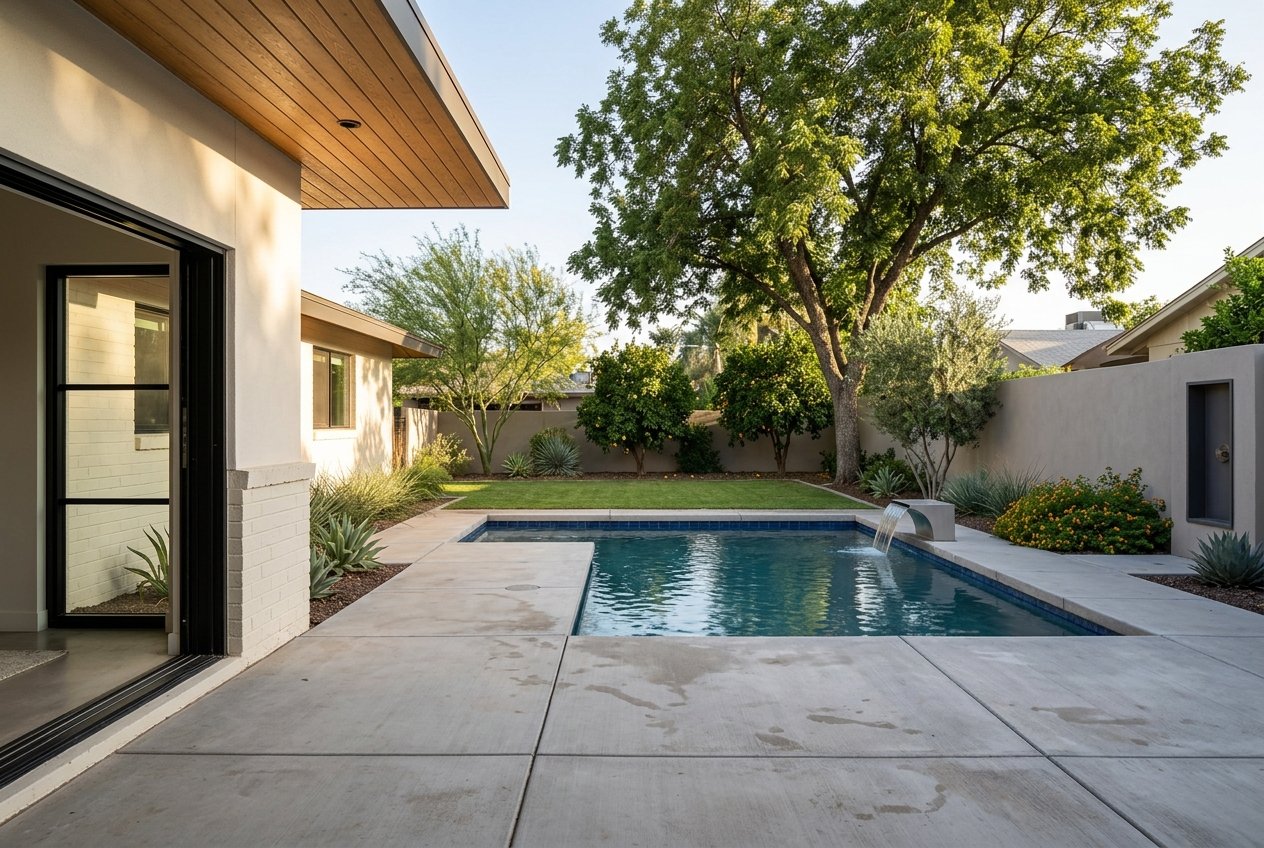
If you are drawn to neighborhoods with real history, generous lot sizes, and a lifestyle that feels both relaxed and connected, Arcadia deserves a close look. This pocket of Phoenix has built a lasting reputation around mature landscaping, distinctive homes, and easy access to some of the area’s most recognizable outdoor and dining destinations. If you are considering a move here, understanding how Arcadia developed and what buyers see today can help you make a smarter decision. Let’s dive in.
What Defines Arcadia
Arcadia is best understood as a historic estate district that later became a Phoenix neighborhood, not one single subdivision with one look or one lot pattern. According to the City of Phoenix’s historic survey, the area grew out of citrus groves after Roosevelt Dam helped stabilize irrigation, and the original 1919 Arcadia plat featured large 5- to 10-acre lots designed to function as small citrus orchards.
That early planning still shapes how Arcadia feels today. The neighborhood is closely tied to the space between the Arizona Canal and Camelback Mountain, generally stretching from around 44th Street toward Scottsdale Road in the historic sense, though current neighborhood and planning boundaries can be narrower or broader depending on the source.
For you as a buyer, that means Arcadia is more about character and pattern than a perfectly fixed map. When people talk about Arcadia, they are usually talking about a low-density, established area with a strong visual identity, mature landscaping, and larger residential parcels than many other central Phoenix neighborhoods.
Arcadia Homes Offer More Than One Style
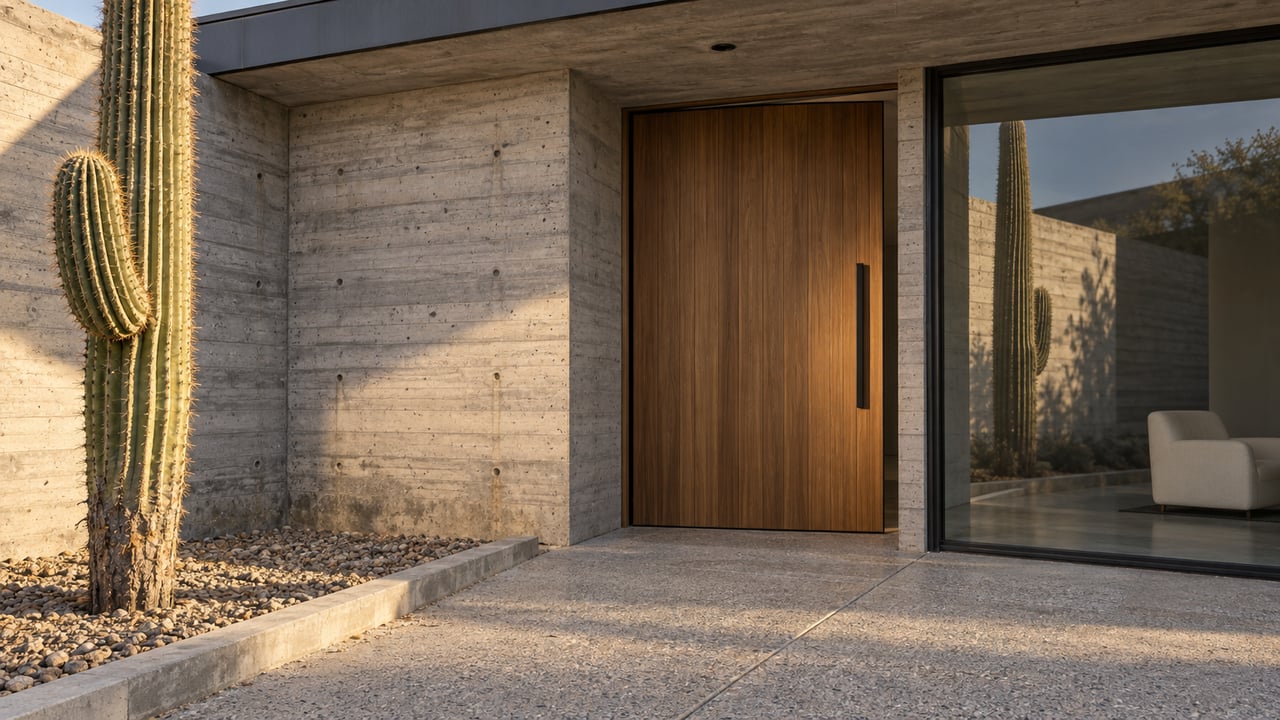
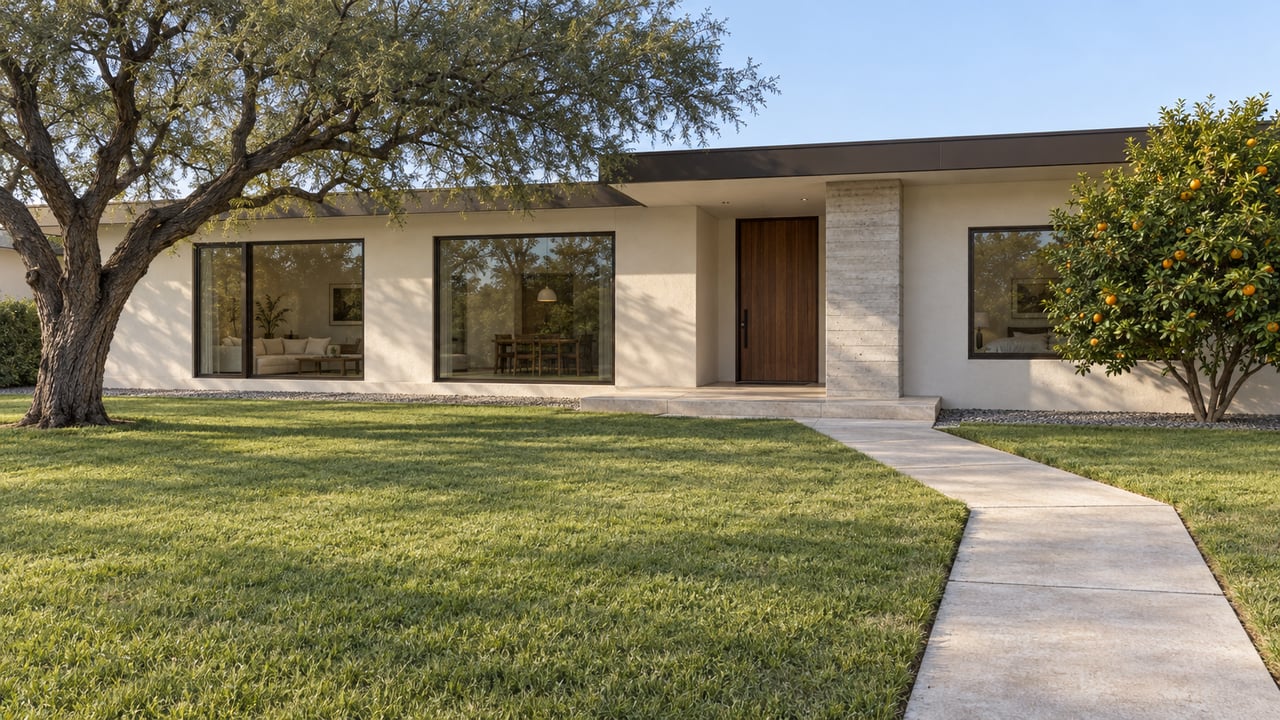
One reason Arcadia stays so appealing is that its housing stock is layered. The neighborhood is not just a collection of ranch homes, even though mid-century ranch architecture is still one of its best-known traits.
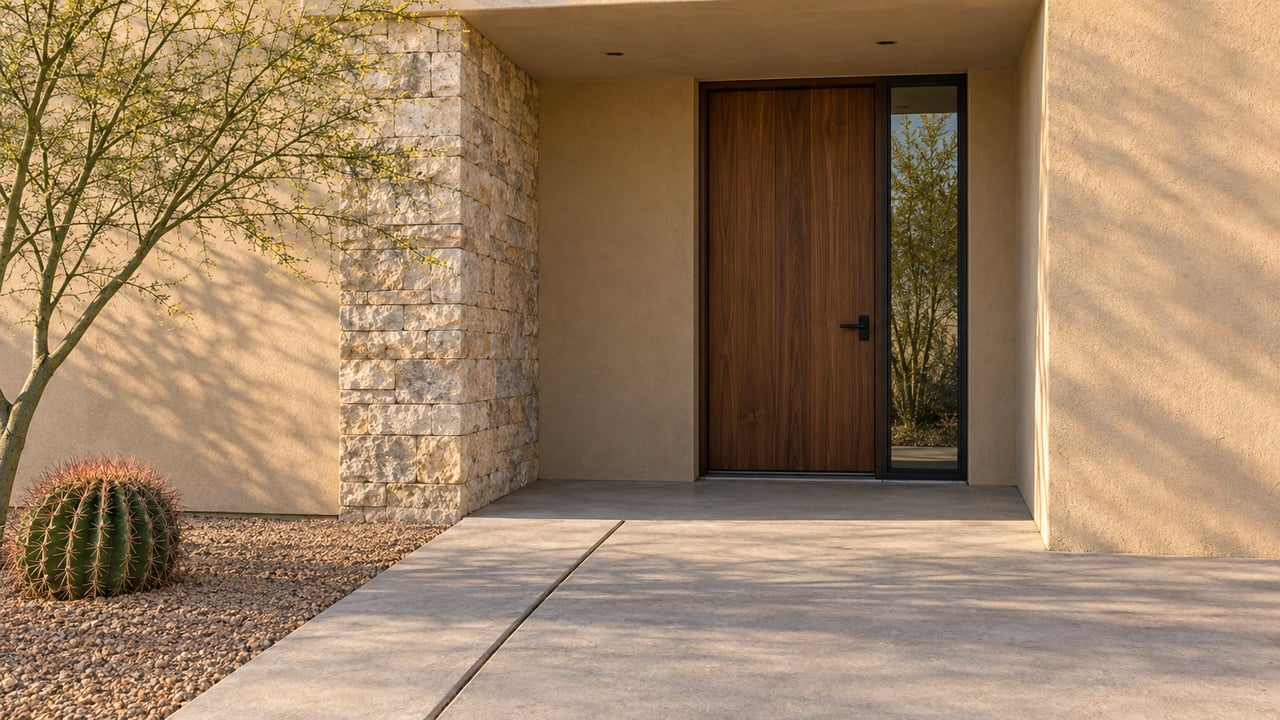
The City of Phoenix survey documents prewar estate homes from the 1920s and 1930s, including Pueblo Revival and Monterey Revival styles. Later growth reached Arcadia more fully in the mid-1950s, and additional parcels were developed with high-quality homes, creating the mix of old and newer housing that buyers see now.
Today, that means you may tour several very different property types in the same general area, such as:
- Original period homes with historic details
- Mid-century ranch homes
- Extensively remodeled homes
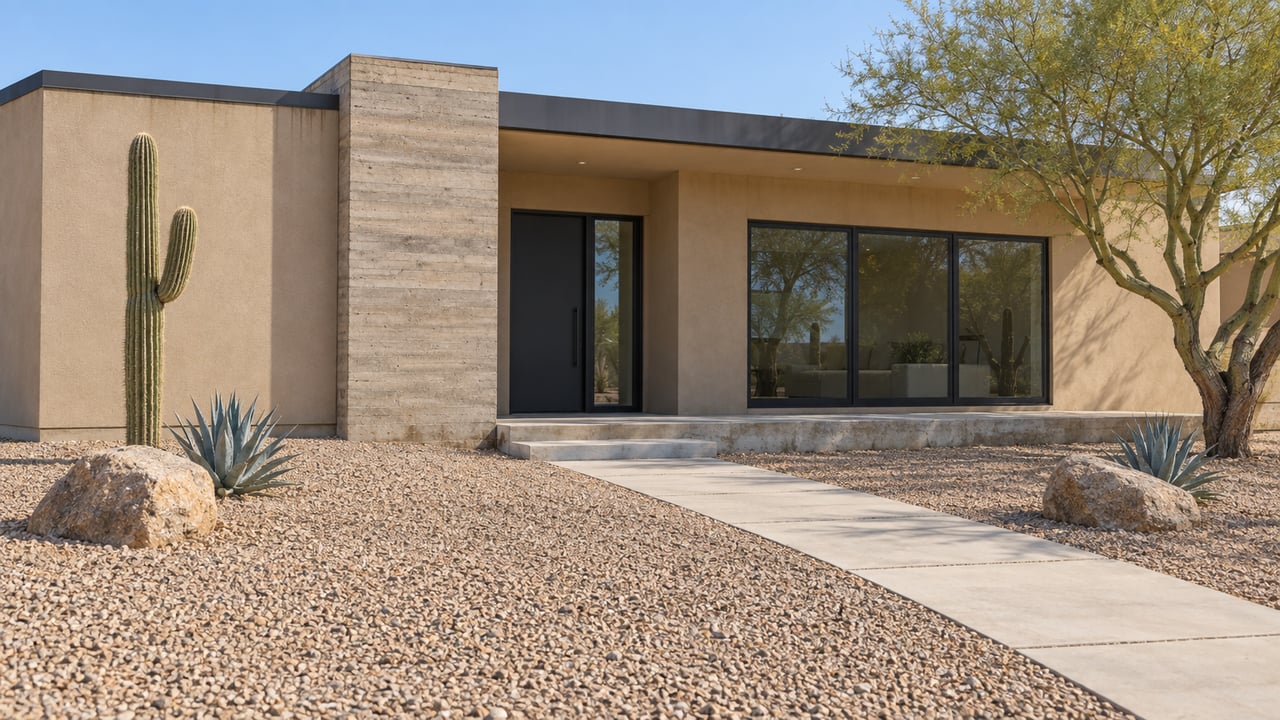
- Luxury new construction on larger parcels
That range gives you options, but it also means each home should be evaluated on its own terms. Two homes on nearby streets can offer very different architecture, lot use, and renovation potential.
Large Lots Are Central To Arcadia
If there is one feature that consistently sets Arcadia apart, it is land. The original Arcadia plat centered on 4- to 10-acre lots, and the area was later replatted into similarly large estate parcels.
The neighborhood’s spacious feel was not accidental. Early developers installed an underground irrigation system, and by 1924 they had laid 15 miles of underground concrete pipe. City planning materials also describe the Arcadia Camelback area as predominantly 0 to 2 dwelling units per acre, which helps explain why the neighborhood still reads as open and low-density.
In practical terms, lot size in Arcadia varies by block and property history. Some buyers look for the classic half-acre benchmark, while 1-acre parcels are much harder to find and can represent rare opportunities for redevelopment or custom construction.
Landscaping Shapes The Neighborhood Feel
Arcadia’s charm is not just about home size or architecture. It is also about what you experience from the street. Mature trees, irrigated yards, and the neighborhood’s citrus legacy all contribute to a softer, leafier look than many buyers expect in the Phoenix area.
That visual identity remains part of Arcadia’s appeal today. Local coverage still points to leafy streets, citrus history, and even the orange-blossom atmosphere that helps give the neighborhood its long-standing reputation.
For homeowners, outdoor space is often a major part of the value story. Patios, pools, covered entertaining areas, and generous yards fit naturally into Arcadia because the lots were built to support a more spacious way of living.
Outdoor Living Is Part Of Daily Life
Arcadia’s lifestyle is closely tied to the outdoors. This is a neighborhood where the canal, the mountain backdrop, and private backyard space all play a role in how people spend their time.
The Arizona Canal Trail is one of the area’s most recognizable features for biking and walking. Arizona Falls adds a canal-side public art landmark, while Kachina Park provides a nearby neighborhood green space.
Camelback Mountain also helps define the area’s appeal. The city notes that the Echo Canyon and Cholla trailheads are steep, rocky, exposed, and extremely difficult, which makes quick access to hiking a real draw for many buyers, while also requiring extra caution, especially during warmer months.
Dining And Everyday Convenience In Arcadia
Arcadia is often associated with a lifestyle that blends residential calm with convenient access to popular local destinations. Visit Phoenix highlights well-known nearby spots including O.H.S.O., Postino Arcadia, The Henry, Buck & Rider, The Vig, The Porch, Chelsea’s Kitchen, FOUND Arcadia, and urbAna.
That concentration of dining and retail helps support the neighborhood’s daily rhythm. You can enjoy a more established residential setting without feeling far removed from restaurants, social spots, and resort destinations like The Phoenician and Royal Palms.
For many buyers, that balance is a major selling point. Arcadia offers a sense of place that feels rooted and residential, while still keeping many lifestyle amenities within easy reach.
What Buyers Should Know About Trade-Offs
Every sought-after neighborhood comes with trade-offs, and Arcadia is no exception. In Arcadia, the biggest tension is often between preserving character and creating flexibility for modern living.
The Arcadia Camelback Special Planning District was created to help sustain the area’s residential character and address concerns such as commercial encroachment and traffic. The broader planning framework in this part of Phoenix also includes overlays and design-review tools that can affect how properties evolve over time.
That matters if you are deciding between an original home, a major remodel, or a newer build. In Arcadia, the lot may be just as important as the house itself, and the best decision often depends on whether you value architectural history, move-in-ready updates, or the chance to create something new on a scarce parcel.
How To Think About Buying In Arcadia
If Arcadia is on your shortlist, it helps to approach the search with a clear framework. The neighborhood is highly visual and lifestyle-driven, but your buying decision should stay grounded in what matters most to you.
Start by thinking about these questions:
- Do you want original character or newer construction?
- How important is lot size?
- Are mature landscaping and outdoor entertaining space priorities?
- Do you want quick canal access for walking or biking?
- Would you rather remodel over time or buy something more finished now?
Because Arcadia includes such a wide range of homes, clarity on your priorities can save time and sharpen your search. A buyer looking for a period home on a large irrigated lot may be evaluating something very different from a buyer focused on a newly built luxury estate.
Why Arcadia Continues To Stand Out
Arcadia has staying power because it combines features that are hard to replicate. Historic roots, larger parcels, mature landscaping, and a strong indoor-outdoor lifestyle create a neighborhood identity that feels established rather than manufactured.
It also offers variety. You are not limited to one era, one home style, or one type of buyer experience. Instead, Arcadia gives you a mix of charm, scarcity, and lifestyle access that continues to make it one of the more distinctive residential areas in Phoenix.
If you are weighing whether Arcadia fits your goals, the right guidance can make a big difference, especially in a neighborhood where block-by-block nuances matter. For local insight and personalized help buying or selling in Arcadia and nearby Valley neighborhoods, connect with Chad & Cara Dankberg.
FAQs
What makes Arcadia homes in Phoenix unique?
- Arcadia homes stand out for their mix of historic estate roots, larger lot sizes, mature landscaping, and varied architecture that includes prewar styles, mid-century ranch homes, remodeled properties, and newer luxury builds.
How large are lots in Arcadia Phoenix?
- Lot sizes vary by property and block, but Arcadia is known for larger parcels, with historic roots in 4- to 10-acre plats, common interest in half-acre homes, and occasional rare 1-acre opportunities.
What is the lifestyle like in Arcadia Phoenix?
- Arcadia offers a lifestyle centered on outdoor living, canal access, nearby hiking, established residential streets, and convenient access to dining, retail, and resort destinations.
Are all Arcadia homes mid-century ranch houses?
- No. While mid-century ranch homes are a well-known part of the neighborhood, Arcadia also includes earlier estate homes in styles like Pueblo Revival and Monterey Revival, along with remodeled homes and new construction.
What should buyers consider before purchasing an Arcadia home?
- Buyers should think about lot size, home style, renovation needs, outdoor space, canal and mountain access, and whether they prefer original character, a remodeled home, or newer construction in a preservation-minded area.