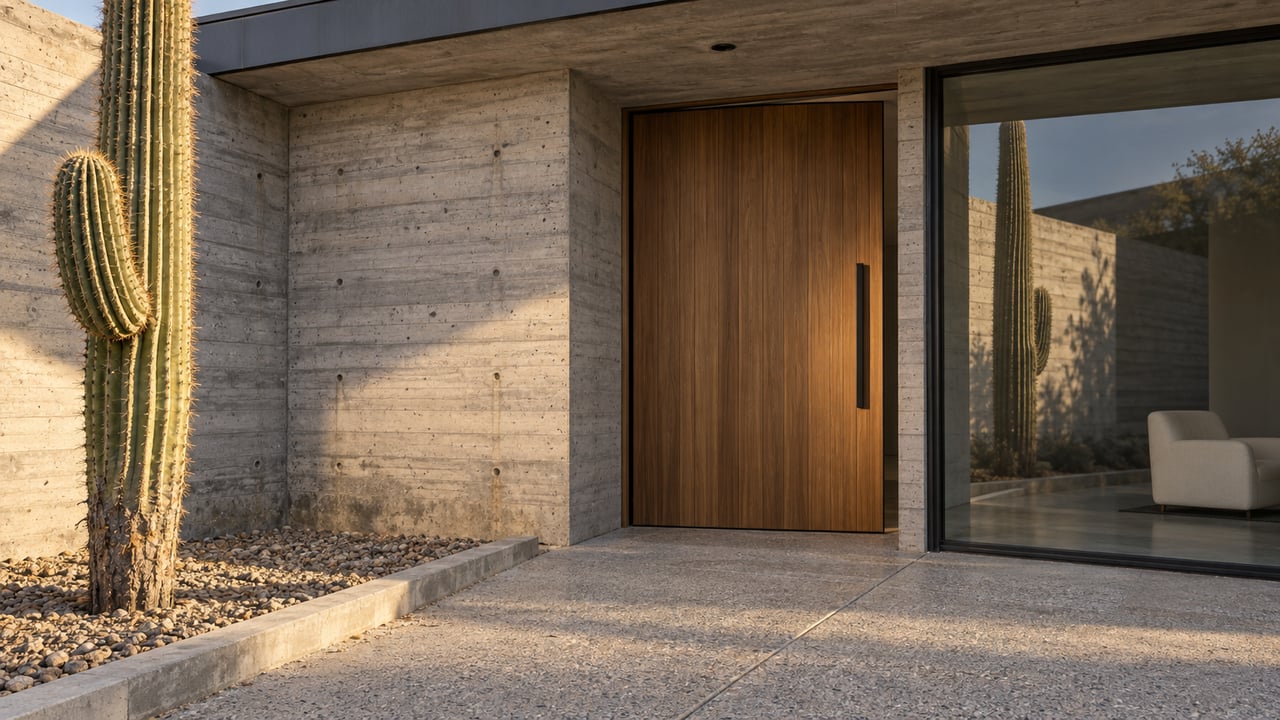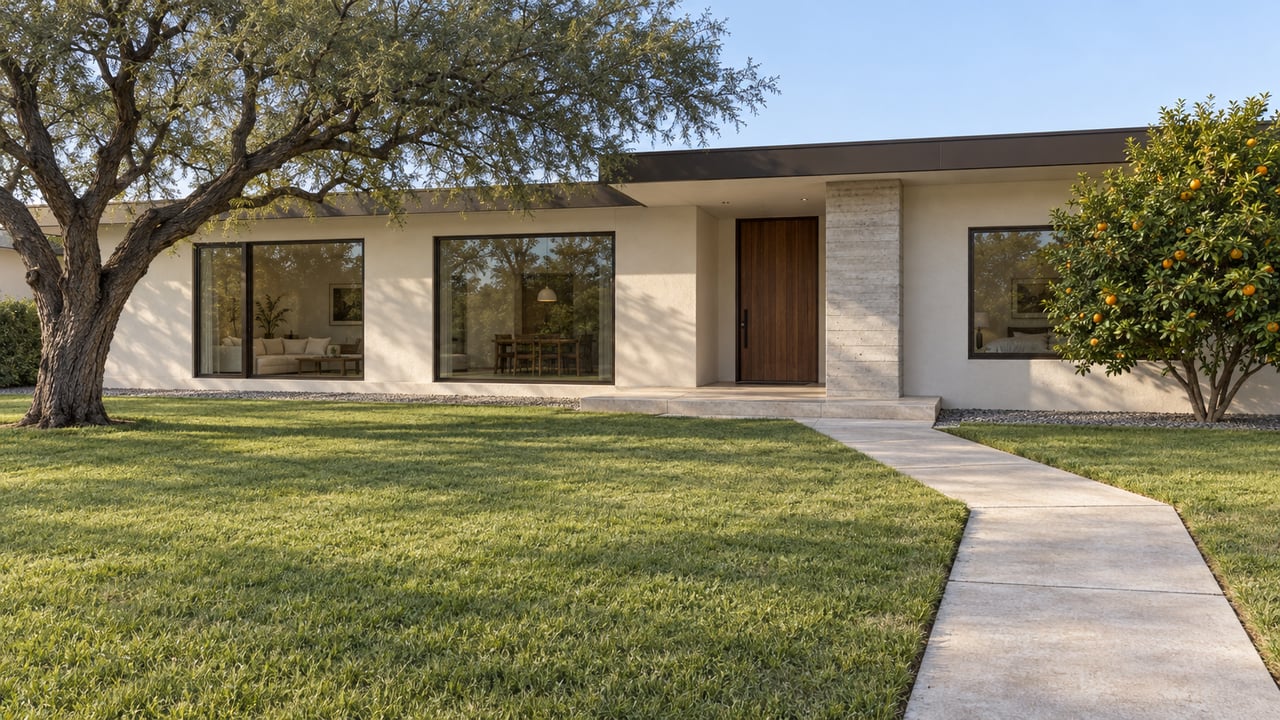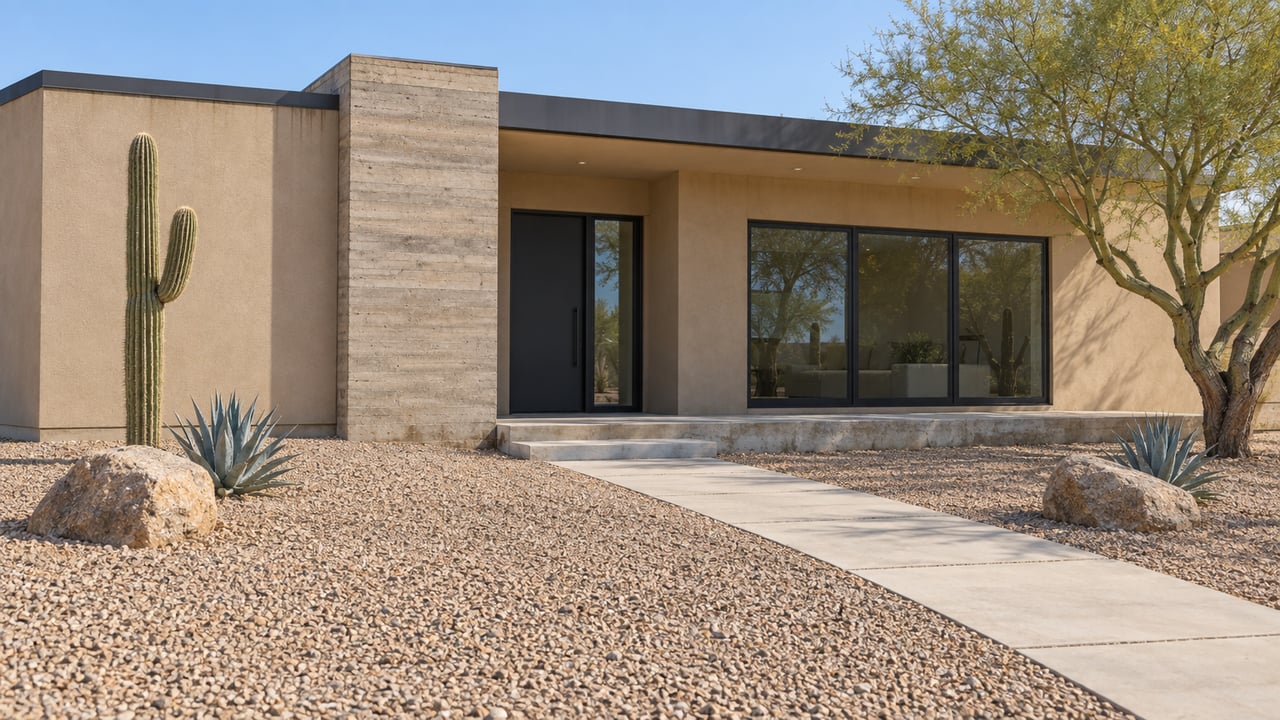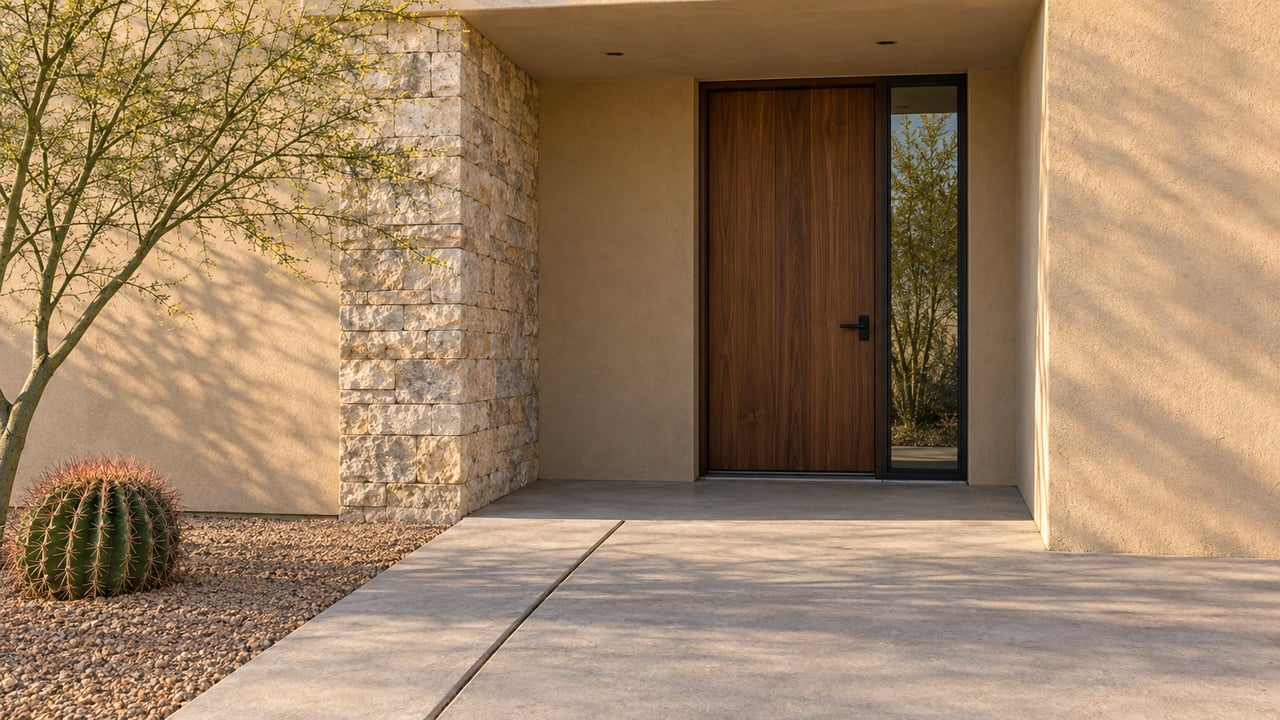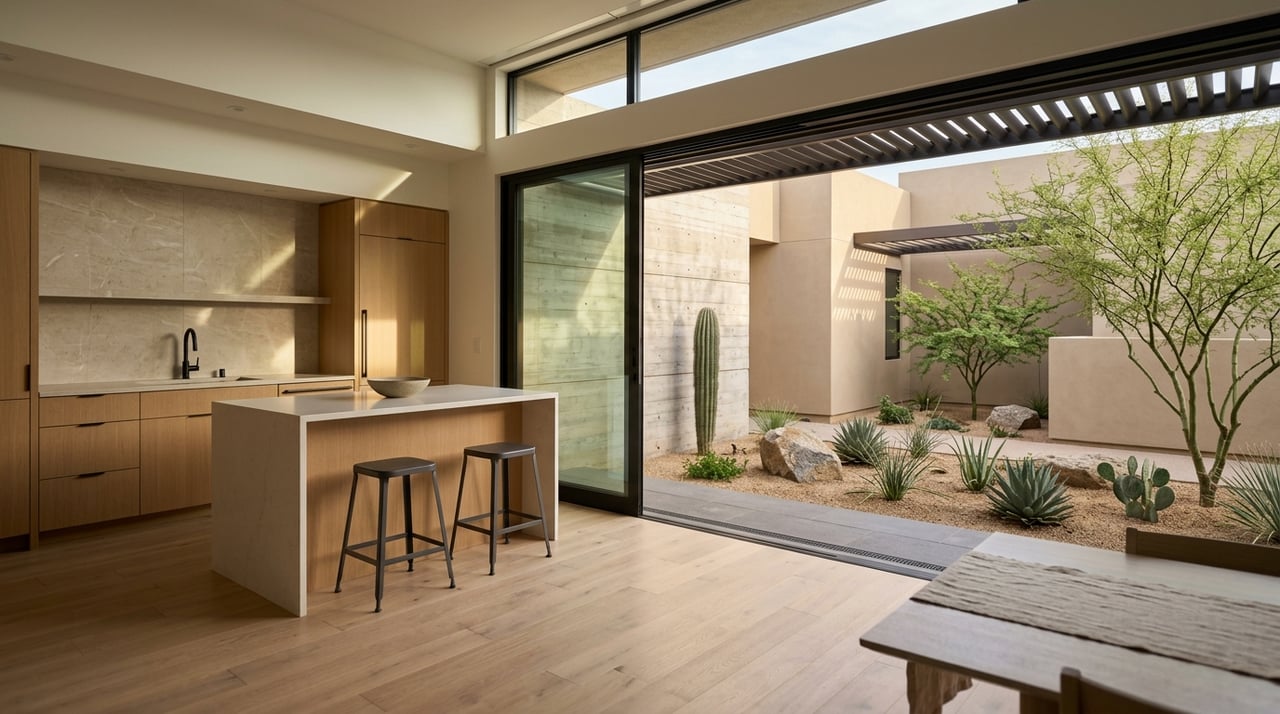
Trying to choose between a Phoenix condo and a suburban house? You are not alone. Many buyers start with price, then quickly realize the real decision also involves commute, upkeep, space, and how much control you want over your home. This guide will help you compare both options in Phoenix so you can make a choice that fits your budget and daily life. Let’s dive in.
Phoenix offers both paths
Phoenix is still mostly a detached-home market, but condos are far from rare. The City of Phoenix reports that 59.9% of housing units are 1-unit detached, while 26.2% are in multifamily buildings with 5 or more units. That means if you are deciding between urban condo living and a suburban house, you are looking at two real and relevant paths in this market.
Where those options tend to show up also matters. Phoenix’s Housing Needs Assessment notes that multifamily housing is concentrated near downtown, along light-rail corridors, and near freeway access and employment centers. Detached homes are more common across the city’s broader residential areas, giving buyers more inventory if space is a top priority.
Price differences are real
If you look only at purchase price, condos usually win on affordability. In May 2026, Redfin reported a median sale price of $299,886 for Phoenix condos and co-ops, compared with $489,751 for single-family homes. That is a meaningful gap for buyers trying to keep their upfront cost lower.
Townhouses sit somewhere in the middle at a reported median sale price of $340,067. So if you like the idea of a smaller footprint but want something that feels different from a condo, that middle ground may also be worth exploring.
Still, the sale price is only the start. Census QuickFacts puts the median value of owner-occupied homes in Phoenix at $420,700, and median selected monthly owner costs with a mortgage at $1,847. Those numbers are a reminder that your monthly budget matters just as much as your offer price.
Monthly cost matters more than sticker price
A lower condo price does not automatically mean a lower cost of ownership. In Phoenix, your housing budget should include the loan payment, property taxes, insurance, utilities, maintenance, and any HOA dues. Maricopa County property taxes are billed from assessed values, and Arizona property tax is based on assessed value and the applicable rate.
That is where the condo-versus-house decision gets more nuanced. A condo may cost less to buy, but monthly dues can narrow the gap. If the association has weak reserves or major projects ahead, a special assessment can also change your budget quickly.
A detached house often comes with a higher purchase price, but you are not usually paying condo association dues in the same way. Instead, you are more directly responsible for repairs, yard care, exterior upkeep, and unexpected maintenance. In other words, one option may bundle more costs into a predictable monthly structure, while the other may leave more of those costs in your hands.
Condo ownership includes shared governance
In Arizona, condo living comes with a clear maintenance structure. The association is responsible for maintenance, repair, and replacement of common elements, while the owner is responsible for the unit. Associations must also assess common expenses at least annually from an adopted budget.
That setup can be a real benefit if you want less day-to-day upkeep. Shared exterior maintenance and common-area management can make condo ownership feel more streamlined, especially if you travel often or prefer a lock-and-leave lifestyle.
But there is another side to that convenience. When you buy a condo, you are also buying into an HOA budget, a board, reserve planning, and shared rules. That is why reviewing dues, reserves, and any recent special assessments is such an important step before you commit.
Condo questions worth asking
If you are leaning toward a condo, make sure you understand the association side of the purchase. Key questions include:
- What do the monthly dues cover?
- How much money is held in reserves?
- Have there been recent special assessments?
- Are there rules that could affect your daily use of the property?
- How is maintenance responsibility divided between the unit and common areas?
These details can help you figure out whether a condo’s lower entry price truly works in your favor over time.
Houses offer more control and more responsibility
For many buyers, the biggest draw of a suburban house is control. You are generally making your own decisions about maintenance, repairs, landscaping, and how you use the property. That independence can feel especially valuable if you want privacy, storage, garage space, or room to spread out.
Phoenix data suggests space matters to a lot of owners. The City of Phoenix reports that 82.7% of owner-occupied units have three or more bedrooms. That does not mean every buyer needs a larger home, but it does show that many Phoenix households choose ownership options with more room.
The tradeoff is simple. More space and privacy usually come with more upkeep. If you buy a detached home, you should be ready for the ongoing reality of exterior care, repair planning, and maintenance costs that fall directly on you.
Commute and location can tip the scale
Phoenix is large enough that location should not be an afterthought. Census QuickFacts reports a mean travel time to work of 25.6 minutes. That is not extreme, but it is enough to make your location choice matter in daily life.
If you want easier access to downtown, transit, or airport connections, an urban condo may make more sense. Valley Metro says Phoenix now operates a two-line light-rail system, with the Downtown Hub open and rail connectivity to Sky Harbor through the PHX Sky Train at 44th St/Washington.
That can make condo living especially attractive near downtown Phoenix or along the light-rail corridor. If being close to job centers, rail stops, or airport access would improve your routine, those location benefits deserve real weight in your decision.
On the other hand, if your lifestyle is more car-oriented and your priority is space, a detached home in areas like North Phoenix, Laveen, or Ahwatukee Foothills may feel like a better fit. These areas can offer a different balance of price, lot size, and home style without forcing every buyer into the same suburban budget category.
Lifestyle fit matters just as much
The best choice is not always the cheaper one. It is the one that supports how you actually want to live.
A condo may fit you well if you want:
- A lower purchase price
- Less personal responsibility for common-area upkeep
- Proximity to downtown or light rail
- A smaller footprint that feels easier to manage
A suburban house may fit you better if you want:
- More bedrooms or interior space
- Greater privacy
- Garage or storage needs
- Full control over maintenance and property decisions
Neither option is automatically better. In Phoenix, the smarter move is the one that aligns with your budget, your commute, and the amount of responsibility you want to carry.
A simple way to decide
If you are still torn, focus on four practical questions.
1. How important is your monthly payment?
Do not stop at the purchase price. Compare the full monthly cost of each option, including dues, taxes, insurance, utilities, and expected maintenance.
2. How much space do you actually need?
Be honest about whether you need three or more bedrooms, extra storage, or outdoor space. A smaller home can be a smart choice if it matches your real lifestyle.
3. How much upkeep do you want?
Some buyers love handing common-area maintenance to an association. Others would rather manage everything themselves in exchange for more control.
4. How much does location affect your routine?
If being near rail, downtown, or the airport improves your day-to-day life, an urban condo could deliver value beyond the numbers. If you spend most of your time driving and want room to spread out, a house may make more sense.
In Phoenix, condos are often most compelling when you prioritize entry price, convenience, and lower personal upkeep. Detached homes tend to make more sense when you prioritize space, privacy, and control.
If you want help comparing Phoenix condos, suburban houses, or both, Chad & Cara Dankberg offer hands-on guidance backed by deep local market knowledge and a personalized approach.
FAQs
Should I buy a condo or house in Phoenix if I want the lower upfront cost?
- In Phoenix, condos generally have a lower median sale price than single-family homes, but you should also compare HOA dues, taxes, insurance, and possible assessment risk before deciding.
Are Phoenix condos mostly located in the same parts of the city?
- Multifamily housing in Phoenix is concentrated near downtown, light-rail corridors, freeway access, and employment centers, so condo options are often more location-specific than detached homes.
What should I review before buying a condo in Phoenix?
- You should review the HOA budget, monthly dues, reserve levels, maintenance responsibilities, and any recent special assessments.
Why do many Phoenix buyers still choose detached houses?
- Phoenix remains a detached-home-heavy market, and many owner-occupied homes have three or more bedrooms, which reflects strong demand for space, privacy, and flexibility.
Does commute time matter when choosing a home in Phoenix?
- Yes. Phoenix has a mean travel time to work of 25.6 minutes, so location, transit access, and daily driving patterns can meaningfully affect which type of property fits you best.