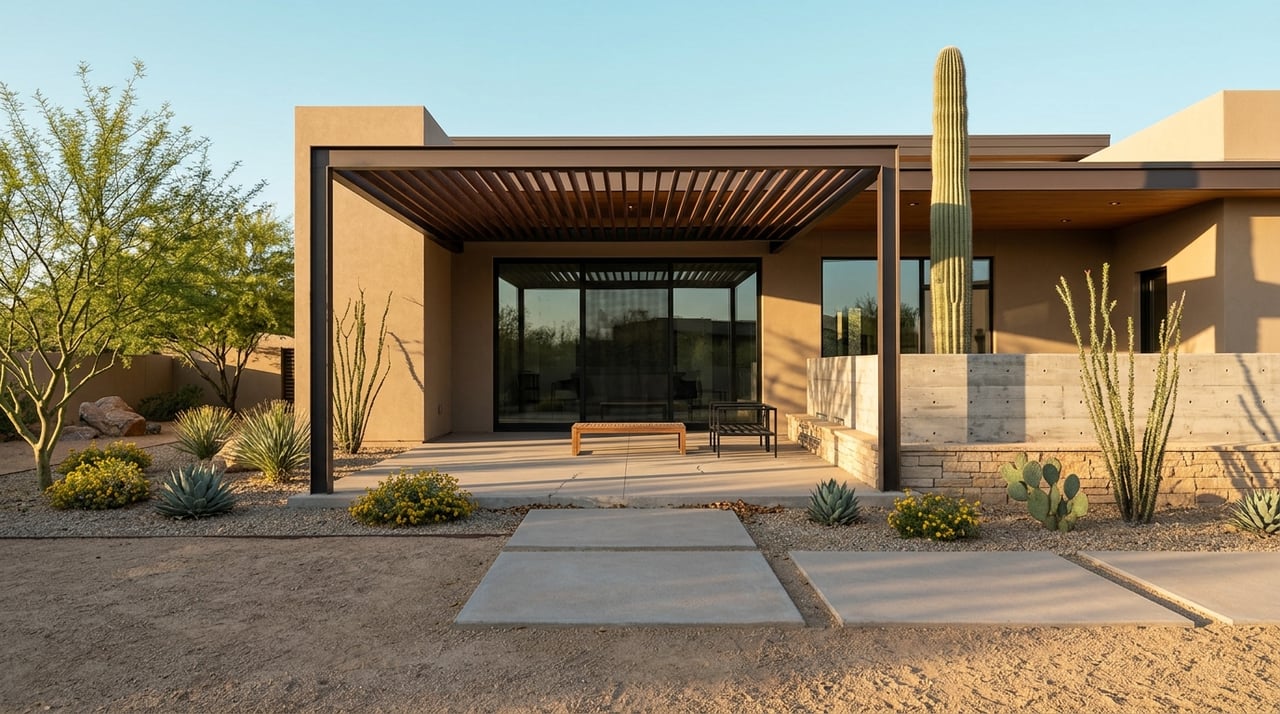
If you want desert scenery without feeling packed into the city, Cave Creek tends to stand out fast. You get a smaller-town setting, a strong Western identity, and easy access to trails, dining, and local landmarks that give daily life more character. If you are wondering what it is really like to live here, this guide will walk you through the lifestyle, housing feel, and outdoor access that shape Cave Creek. Let’s dive in.
What makes Cave Creek different
Cave Creek describes itself as a quirky Western town known for cowboys, art galleries, golf, hiking, shops, history, live bull riding, and desert sunsets. It also presents itself as a rural desert community that sits close to downtown Phoenix, which helps explain its appeal to buyers who want space without giving up access to the Valley.
That difference shows up in the numbers too. The Census Bureau estimates Cave Creek at 5,160 residents across 37.71 square miles, or about 129.7 people per square mile. Compared with Scottsdale at 1,311.7 people per square mile and Phoenix at 3,104.5, Cave Creek feels notably more open and less built out.
Cave Creek’s Western vibe
One of the biggest reasons people are drawn to Cave Creek is that its identity feels intentional, not manufactured. The town leans into its Western roots through local landmarks, events, and a main street atmosphere that feels distinct from larger nearby cities.
Frontier Town sits in the heart of Cave Creek and brands itself as an Old West main street with gallows and a Boot Hill cemetery. It has been serving visitors for more than 50 years, and it plays a big role in the town’s visual personality.
Cultural anchors add even more texture to everyday life here. Cave Creek Museum focuses on the prehistory, culture, mining, ranching, and settler legacy of the foothills area, along with local art and outdoor exhibits like the Golden Reef Stamp Mill. Cave Creek Rodeo Days also reinforces that heritage with a parade, rodeo dances, mutton bustin’, and PRCA performances.
Local dining and nightlife
Cave Creek is not just scenic. It also has a social side that feels local and easygoing.
The town’s dining directory includes places like Buffalo Chip Saloon and Steakhouse, Harold’s Corral, Janey’s Coffee House & Bodega, Mountain View Pub, and El Encanto Uno. Several of these spots currently advertise live music, weekend music, or DJ events, which helps create a rhythm of activity beyond just weekend tourism.
For residents, that means you can enjoy a smaller-town setting without giving up places to gather. Whether you want coffee, a casual meal, or live music in the evening, Cave Creek offers options that support a day-to-day lifestyle, not just a drive-through visit.
Trails and outdoor access
For many buyers, Cave Creek’s outdoor lifestyle is one of its biggest selling points. Trails and open space are not separate from the community. They are part of how people move through it and use it.
The town says its multi-use trail system connects neighborhoods to the Town Core, Spur Cross Ranch Conservation Area, Cave Creek Regional Park, the Tonto National Forest, and Desert Foothills Land Trust properties. That kind of connectivity gives residents practical access to outdoor recreation right from town.
Cave Creek also makes horseback access part of the local trail culture. Horses have the right of way on town trails, and the town notes that motorized vehicles are prohibited on trails and washes. If you are looking for a place where equestrian use is built into the local lifestyle, that matters.
Spur Cross Ranch and regional park access
Spur Cross Ranch Conservation Area is one of the area’s best-known outdoor assets. The town identifies it as a 2,154-acre conservation area connected to the town, state, and county, and it offers more than seven miles of trails for hiking, biking, and horseback riding.
Cave Creek Regional Park adds even more opportunity, with over 11 miles of trails. Together, these spaces help define Cave Creek as a place where outdoor time can be part of your normal routine, not something you have to plan far in advance.
Open space matters here
Open-space preservation is part of Cave Creek’s identity. Desert Foothills Land Trust says it was formed to protect native plants and animals, land and water resources, and archaeological and historical sites, and it has conserved nearly 1,100 acres on 29 preserves, many of which are open to the public.
That ongoing emphasis on conservation helps support the desert character people often want when they move to Cave Creek. It is one reason the area can feel more natural and less suburban than other parts of metro Phoenix.
What homes feel like in Cave Creek
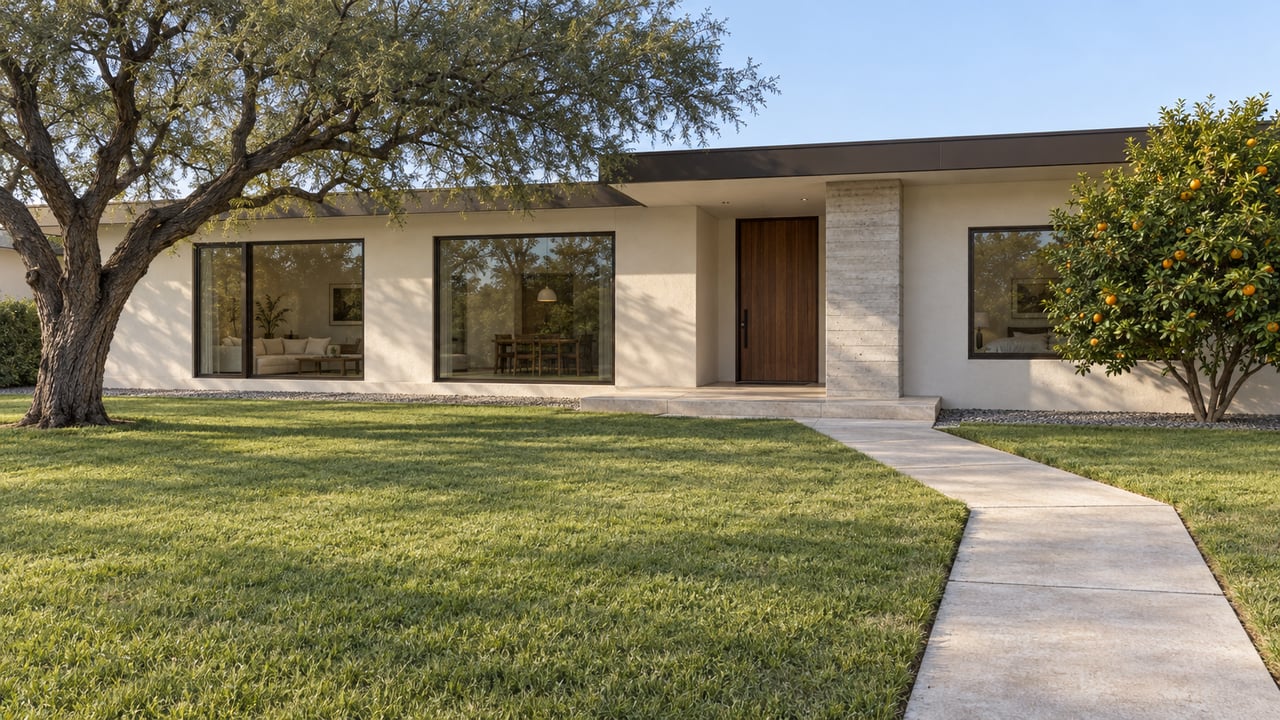
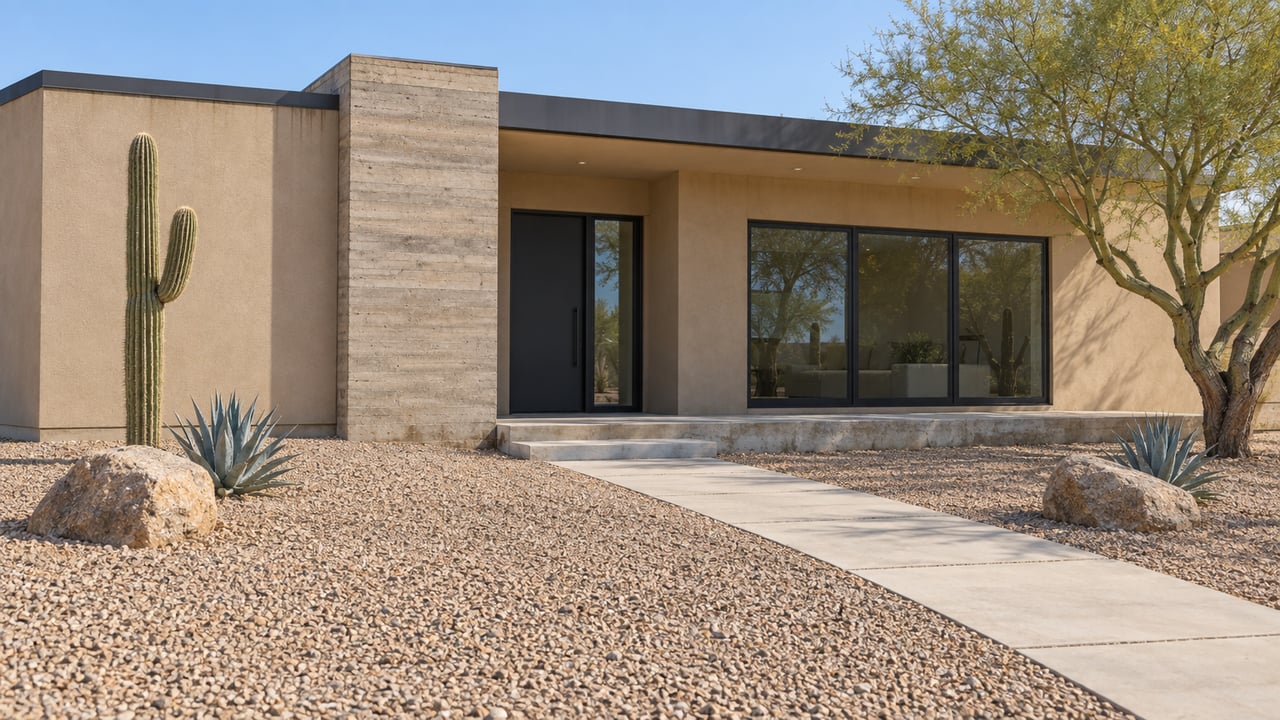
Cave Creek’s housing mix reflects the land around it. Instead of feeling like one uniform suburb, the town includes a combination of equestrian acreage, desert-lot homes, and more conventional residential pockets closer to the town core.
A big reason for that is zoning. The town’s residential zones include Desert Rural, Single Residence, and Multiple Residence, and the stated purpose of Desert Rural zoning is to protect scenic vistas, habitats, hillsides, and washes while keeping development aligned with the natural environment.
That framework shapes how neighborhoods feel. In practical terms, it helps preserve the wider spacing, desert views, and rural character that many buyers are specifically looking for in Cave Creek.
Equestrian and acreage potential
If horses or extra land are on your wish list, Cave Creek offers a real zoning-based foundation for that lifestyle. The town states that many residential areas are in Desert Rural zones and that ranching, plus horse or livestock ownership, are allowed on at least two contiguous acres in a Desert Rural zone.
That does not mean every property will fit that use, but it does explain why Cave Creek has such a strong connection to equestrian living. For buyers comparing Cave Creek with other parts of the Valley, this is one of the clearest differences.
A homeowner-oriented community
Census data also show that Cave Creek is largely homeowner-driven. The owner-occupied housing unit rate is 94.6%, which supports the idea that Cave Creek functions more as a settled residential community than an area shaped by highly transient housing patterns.
For you as a buyer, that can translate into a more rooted feel. For you as a seller, it helps frame Cave Creek as a market where lifestyle alignment and long-term appeal can matter just as much as square footage.
How Cave Creek compares with Scottsdale or Phoenix
If you are trying to choose between Cave Creek, Scottsdale, and Phoenix, the clearest difference is lifestyle texture. Cave Creek offers a lower-density setting, stronger rural-desert character, and a more visibly Western town identity than either Scottsdale or Phoenix.
That does not mean it is isolated. Cave Creek still sits within reach of the broader Phoenix metro, but daily life tends to feel more connected to trails, open space, and a locally flavored town core than to a fast-paced urban grid.
For some buyers, that balance is exactly the point. If you want room to breathe, access to horseback and hiking trails, and a town with a recognizable personality, Cave Creek can offer a very different experience from standard suburban living.
Who Cave Creek may suit best
Cave Creek can be a strong fit if you are looking for:
- A smaller community with a rural desert feel
- A home near trails and open space
- Equestrian or acreage possibilities
- A town with Western landmarks and long-standing local traditions
- Dining and live music that feel more local than generic
It may be especially appealing if you want a lifestyle-driven move. In Cave Creek, the setting itself often becomes part of the reason people stay.
If you are exploring Cave Creek as a place to buy, sell, or invest in the greater North Valley, working with advisors who understand lifestyle differences across Scottsdale, Cave Creek, and nearby desert communities can make the search much more focused. When you are ready to talk through neighborhoods, lot types, equestrian considerations, or a selling strategy tailored to your property, connect with Chad & Cara Dankberg.
FAQs
What is daily life like in Cave Creek, AZ?
- Daily life in Cave Creek tends to center on a lower-density desert setting, a Western-style town core, local dining, live music, and easy access to multi-use trails and open space.
Is Cave Creek, AZ more rural than Scottsdale or Phoenix?
- Yes. Census figures in the research report show Cave Creek has about 129.7 people per square mile, compared with 1,311.7 in Scottsdale and 3,104.5 in Phoenix, which helps it feel more open and rural.
Does Cave Creek, AZ have good trail access?
- Yes. The town says its trail system connects neighborhoods to the Town Core, Spur Cross Ranch Conservation Area, Cave Creek Regional Park, the Tonto National Forest, and Desert Foothills Land Trust properties.
Can you have horses in Cave Creek, AZ?
- In some cases, yes. The town states that in Desert Rural zones, ranching and horse or livestock ownership are allowed on at least two contiguous acres.
What kind of homes are common in Cave Creek, AZ?
- Cave Creek includes a mix of equestrian acreage, desert-lot homes, and more conventional residential pockets, shaped in part by Desert Rural, Single Residence, and Multiple Residence zoning.
Is Cave Creek, AZ a homeowner-focused community?
- Yes. Census data in the research report show an owner-occupied housing unit rate of 94.6%, which suggests a strong homeowner presence.