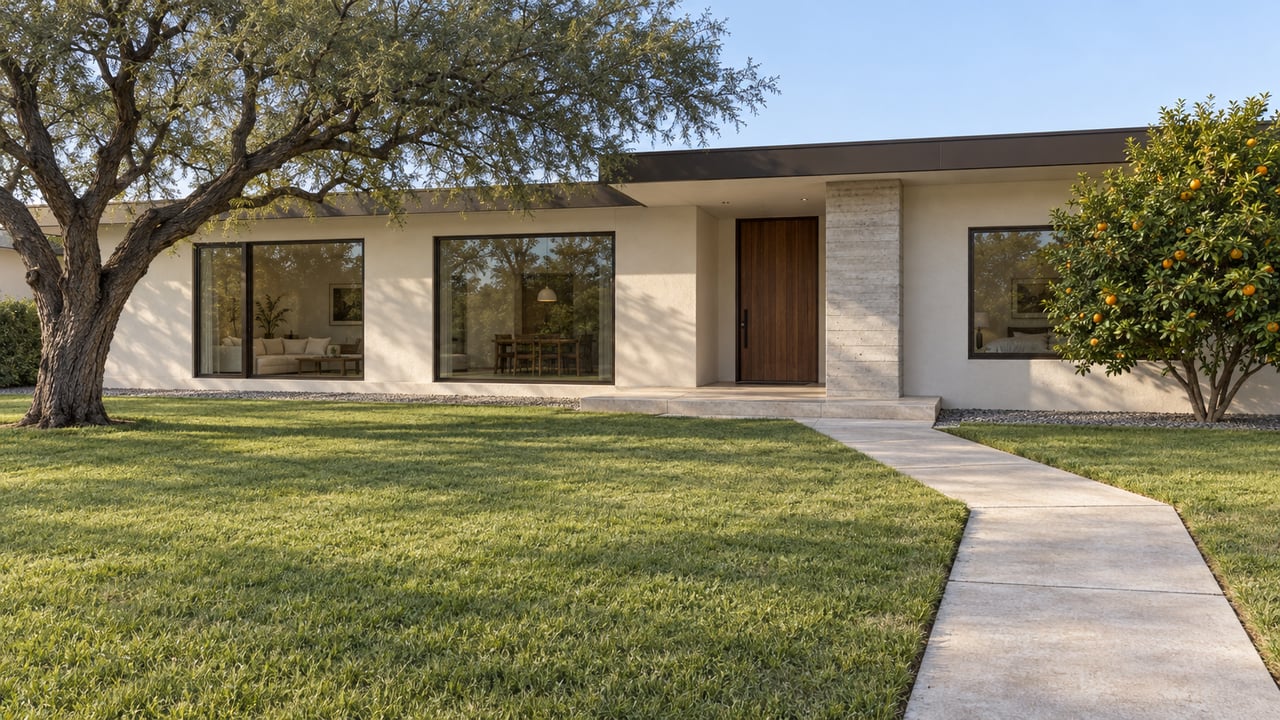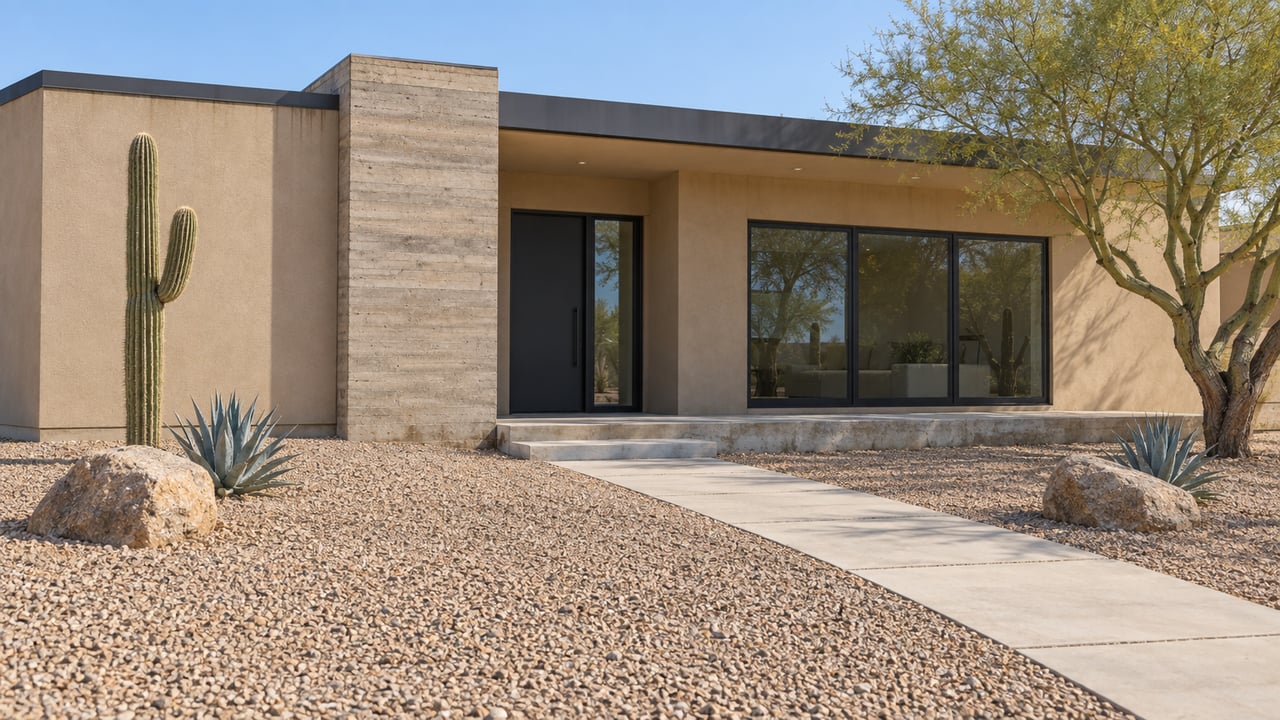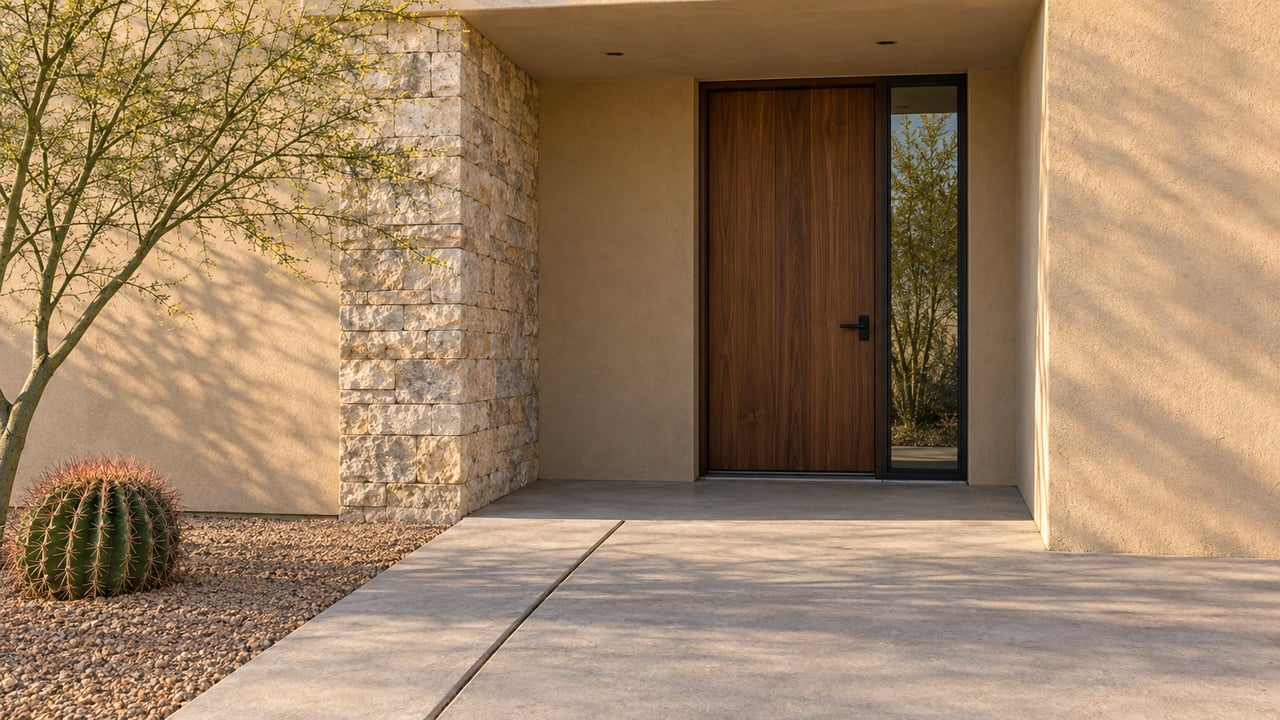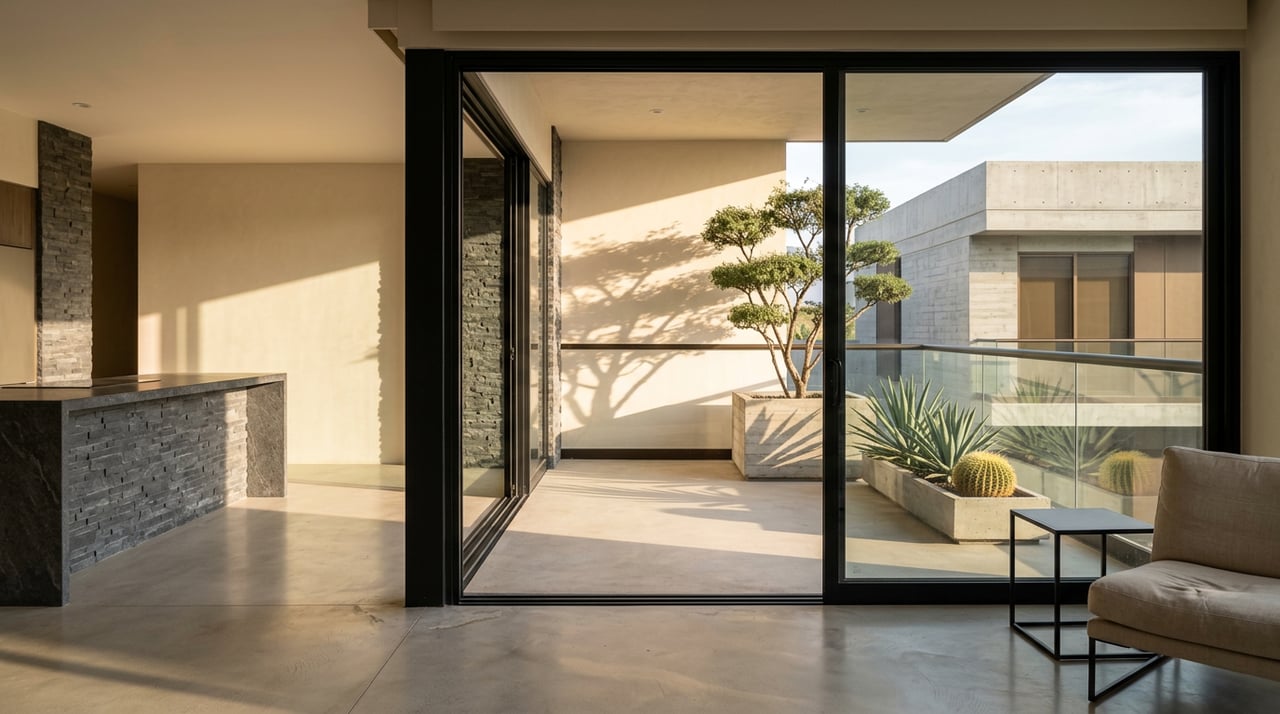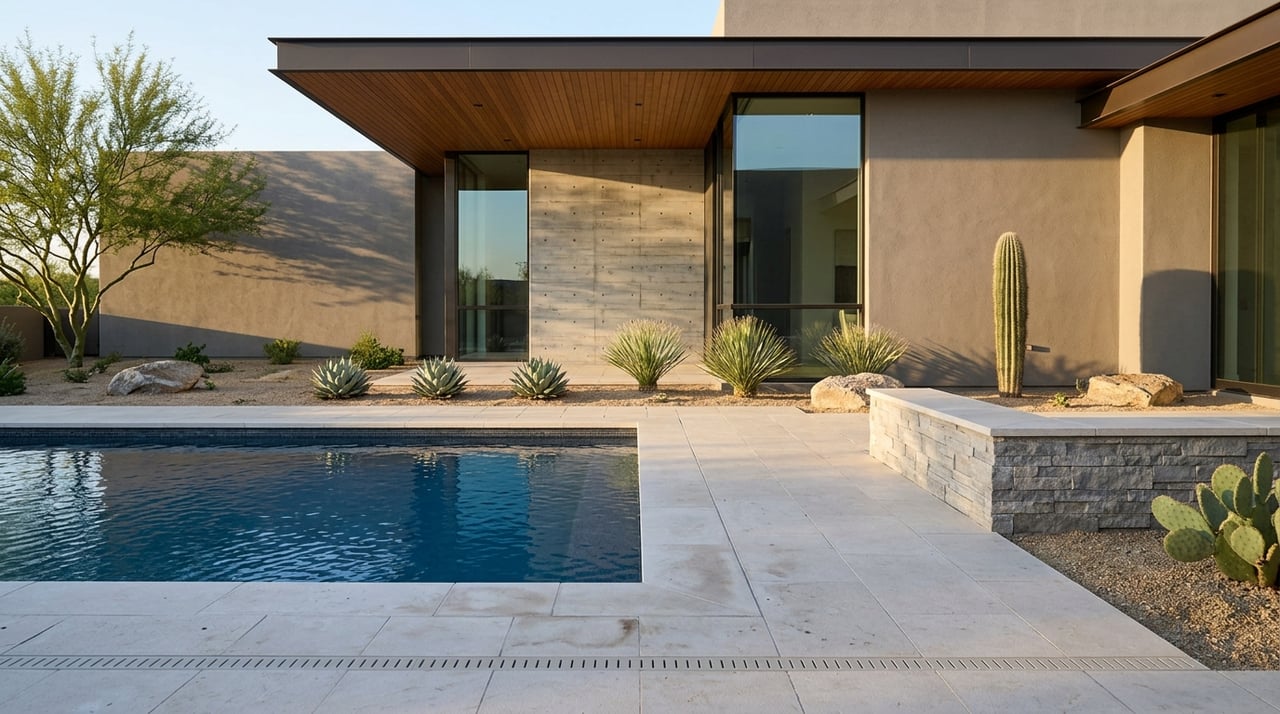
If you have ever wondered why two luxury homes in Paradise Valley can look similar on paper yet command very different prices, you are asking the right question. In this market, value is shaped by more than bedroom counts and square footage. When you understand what buyers here actually pay for, you can make smarter decisions whether you are buying, selling, or preparing a property for market. Let’s dive in.
Paradise Valley values are layered
Paradise Valley is a high-end market where buyers usually have choices. Recent market reports show median sale and sold prices in the low to mid $4 million range, median listing prices higher than that, and roughly three months on market on average. That kind of environment tends to reward homes that offer something distinctive rather than homes that are simply large.
In practical terms, buyers often weigh land, privacy, views, design, and condition together. A home with strong overall execution can outperform another home with similar interior square footage. That is a big reason luxury pricing here can feel so nuanced.
Lot size matters in Paradise Valley
One of the clearest drivers of value is the lot itself. Paradise Valley’s planning framework is built around a primarily one-acre residential pattern, and the R-43 zoning district requires a minimum lot size of 43,560 square feet. That one-acre identity shapes the way buyers think about space, separation, and long-term value.
Larger and more usable lots can support features that luxury buyers often prioritize. Think guest space, pools, car courts, privacy buffers, and thoughtful landscaping. Even when two houses are similar in age and size, the home with a more functional site often has the edge.
Why usable land carries a premium
Not all lot square footage feels the same in real life. A parcel may be large on paper, but if the layout limits outdoor living, privacy, or access, buyers may not value it the same way. In Paradise Valley, usability matters almost as much as size.
The town’s code also includes setback requirements for accessory structures, pools, and other site elements. That means a well-positioned home on a lot with flexible building and outdoor space can feel more complete and more private. Buyers often notice that immediately.
Privacy is part of the luxury equation
Privacy is not just a lifestyle perk in Paradise Valley. It is often part of the value story. Because the town emphasizes open space, aesthetics, and low-density residential character, homes that create meaningful separation from neighbors can command more attention.
That privacy can come from lot width, placement of the home on the site, landscape screening, or a building envelope that protects views and distance. In a market where buyers are often looking for retreat-style living, privacy becomes a real pricing factor.
Views can change the price quickly
Mountain views and open space are central to Paradise Valley’s identity. The town’s General Plan specifically highlights the importance of preserving mountain views, natural features, open space, and view corridors. That policy backdrop helps explain why view lots can carry a meaningful premium.
A strong view does more than look good in listing photos. It shapes how a home lives every day, from sunrise patios to indoor-outdoor entertaining. If a parcel offers protected-feeling sightlines or a building envelope that preserves those views, buyers may be willing to pay more.
Topography also affects value
Topography can add appeal, but it can also add complexity. Hillside and elevated properties often offer the dramatic views luxury buyers want, yet they may involve more review around grading, drainage, lighting, materials, and visual impact. In Paradise Valley, those details matter.
That does not mean hillside homes are less desirable. In many cases, they are highly sought after. It simply means buyers often look closely at how well the home and site have been planned, engineered, and documented.
Architecture matters beyond size
In Paradise Valley, luxury buyers rarely judge a home by square footage alone. Architecture, proportion, materials, and the way the house fits the site all shape how valuable it feels. Two homes with similar specs can create very different reactions if one feels custom and cohesive while the other feels pieced together.
The town’s planning and review framework reinforces that idea. Paradise Valley’s land-use approach ties community character to architecture, landscaping, aesthetics, and natural open space. That is one reason design coherence tends to matter so much here.
Cohesive design tends to win
Buyers often respond best to homes where the architecture, interiors, landscaping, and outdoor spaces feel unified. A clear design point of view can make a property feel more elevated and more move-in ready. In contrast, mismatched additions or inconsistent finishes can reduce that sense of value.
This is especially true in the luxury segment, where buyers expect the entire property to feel intentional. They are not only buying square footage. They are buying a setting, an experience, and confidence in the home’s overall execution.
Renovation quality can lift or limit value
Renovated homes often perform well in Paradise Valley, but quality matters more than surface-level updates. The town requires permits for many types of work, including building, demolition, grading, fence or site-wall work, and other site improvements. For larger remodels, additional documentation may also be required.
That is why buyers tend to respond best to renovations that feel complete, integrated, and well documented. Cosmetic work alone may help presentation, but it does not carry the same weight as thoughtful upgrades backed by proper records.
Buyers pay for confidence
In this market, buyers often pay a premium for move-in readiness. They also pay for confidence that the home, the site, and the paperwork align with the asking price. If a remodel included major site work, drainage changes, or hillside-related improvements, documentation can matter just as much as the visible finish level.
For sellers, this is an important takeaway. A polished kitchen or updated bath can absolutely help, but the strongest value story usually includes both presentation and proof.
Engineering and site work matter more than many expect
Luxury buyers in Paradise Valley often look beyond finishes. They may want to know whether grading and drainage plans were reviewed, whether required approvals were obtained, and whether the property’s physical improvements were handled correctly. On hillside or heavily altered sites, that scrutiny can become even more important.
The town engineer reviews grading and drainage plans for new homes and remodels, and some hillside projects may require staging plans, financial assurance, and limits-of-construction documentation. Those steps are part of why some homes inspire stronger buyer trust than others.
Resort proximity can create a lifestyle premium
Paradise Valley is not just known for custom estates. It is also known for its luxury resort environment. The town’s resort and dining landscape includes Camelback Inn, Mountain Shadows, Omni Scottsdale Resort & Spa at Montelucia, Sanctuary Camelback Mountain, Hermosa Inn, and other notable destinations.
For many buyers, proximity to these resort corridors adds to the lifestyle appeal. Easy access to spa experiences, dining, and polished hospitality settings can elevate how a location feels. In some cases, that lifestyle factor contributes to pricing even when homes are otherwise similar.
Why price gaps happen between similar homes
This is the heart of the Paradise Valley market: similar homes can trade at very different prices because buyers are evaluating several layers of value at once. A better lot, stronger privacy, more compelling views, cleaner architecture, or a more complete renovation package can all shift pricing.
That means price differences are not always explained by square footage or bedroom count. In Paradise Valley, land and setting often do heavy lifting. Execution is what turns those raw advantages into a premium result.
What sellers should focus on before listing
If you are preparing to sell, the best pre-listing priorities are usually the visible and documented ones. Research points to roof condition, paint, kitchen and bath presentation, landscaping, and permit records for major remodels or site work as defensible focus areas. In a luxury market, these details help buyers feel that the property is cared for and market-ready.
For hillside or heavily modified properties, it is especially important to confirm grading and drainage documentation, construction limits, and any required town approvals before listing. That prep work can help reduce buyer hesitation later.
Smart pre-listing checklist
- Refresh paint where needed
- Address roof condition if it is dated or visibly worn
- Improve kitchen and bath presentation
- Tidy and elevate landscaping
- Gather permit records for remodels and site work
- Confirm grading and drainage documentation when relevant
- Review any town approvals tied to major changes
What buyers should look for
If you are buying in Paradise Valley, it helps to look past the headline numbers. Ask how the lot lives, how private the outdoor spaces feel, and whether the views are a true daily asset. Pay attention to design consistency, not just finish materials.
It is also wise to understand the story behind any remodel. A home that presents beautifully and has clear documentation often offers a stronger long-term value proposition than one with flashier but less complete improvements.
The bottom line on luxury value
Luxury home values in Paradise Valley are driven by a mix of land, privacy, views, architecture, renovation quality, and lifestyle positioning. Square footage still matters, but it is rarely the whole story. The homes that rise to the top are usually the ones that combine a strong site with thoughtful execution.
Whether you are buying or selling, understanding these value drivers can help you make more confident decisions. If you want expert guidance on how a specific Paradise Valley property fits into today’s market, Chad & Cara Dankberg can help you evaluate the details that truly move price.
FAQs
What drives luxury home values in Paradise Valley most?
- In Paradise Valley, value is often driven by lot size, privacy, views, architectural coherence, renovation quality, and overall site execution rather than square footage alone.
Why do similar Paradise Valley homes sell for different prices?
- Two similar homes can sell for different prices when one offers a better lot, stronger view corridor, more privacy, or a more complete and well-documented renovation.
How important is lot size in Paradise Valley luxury real estate?
- Lot size matters because Paradise Valley is largely built around a one-acre residential pattern, which supports privacy, outdoor living, guest space, and other features luxury buyers often want.
Do mountain views increase Paradise Valley home value?
- Yes, mountain views and open sightlines can contribute meaningful value because the town prioritizes view preservation and buyers often pay more for strong visual settings.
What should Paradise Valley sellers do before listing a luxury home?
- Sellers should focus on visible and documented improvements such as paint, roof condition, kitchen and bath presentation, landscaping, and records for permits, grading, drainage, and major remodel work when applicable.